Tracing How Regulatory Shifts Reshape Bonus Claim Timelines Across Platforms
Zoe Flores · Jul 11, 2026
Tracing How Regulatory Shifts Reshape Bonus Claim Timelines Across Platforms
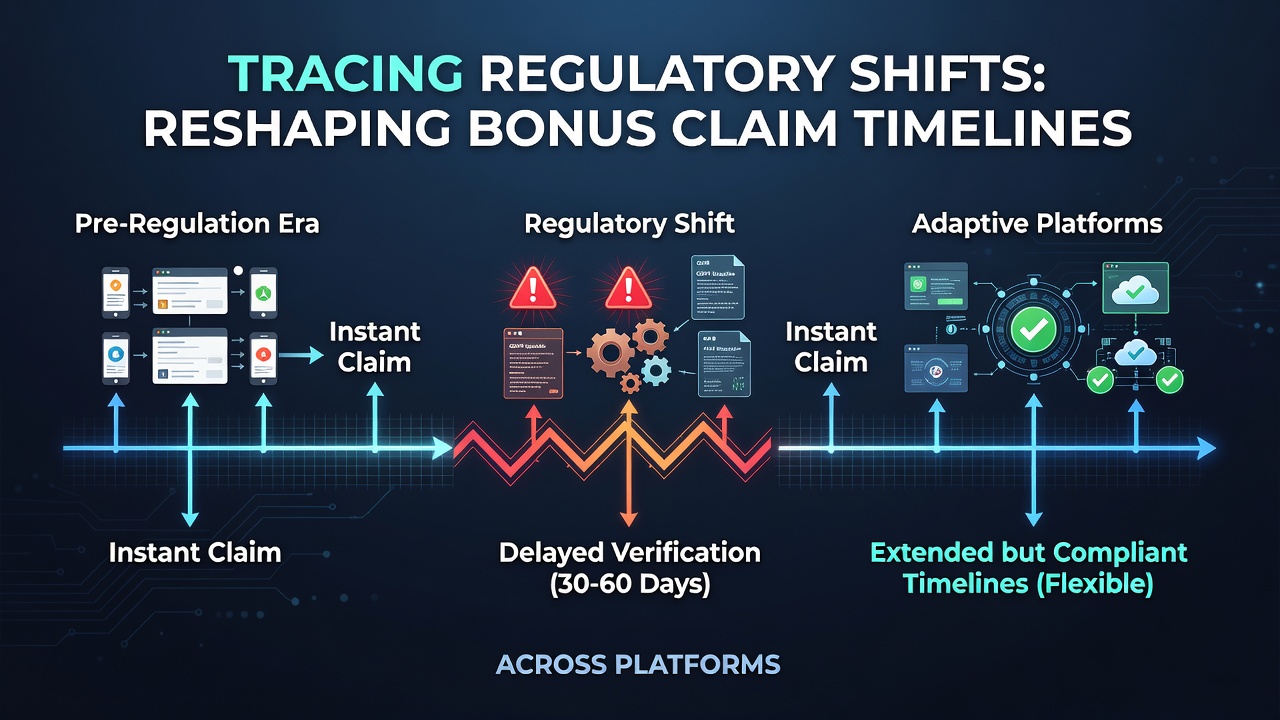
Regulatory frameworks governing promotional incentives on digital platforms have undergone notable adjustments in recent years, and these modifications directly influence the periods during which users may activate bonuses. Platforms operating across multiple jurisdictions must align their systems with new compliance requirements, which often extend or compress the windows available for claim submissions. Data from industry monitoring groups shows that such updates frequently stem from efforts to enhance consumer protections and standardize operational practices in sectors handling user rewards.
Key Regulatory Developments in Different Regions
Authorities in North America and Europe have introduced measures that recalibrate how platforms manage bonus activation periods, and these rules reflect broader goals of transparency in digital transactions. For instance, updates from the Alcohol and Gaming Commission of Ontario have required operators to adjust claim deadlines to accommodate verification steps that previously occurred after initial activation. Similar patterns appear in other Canadian provinces where provincial oversight bodies emphasize synchronized reporting of promotional activities. In parallel, the Australian Communications and Media Authority has issued guidelines that tie bonus timelines to mandatory cooling-off intervals, ensuring users receive clear disclosures before finalizing claims.
Observers note that these regional variations create layered obligations for platforms serving international audiences, since a single bonus offer might face different deadline constraints depending on the user's location. Research from academic studies on digital commerce indicates that platforms often implement centralized tracking tools to handle these discrepancies without disrupting user experiences across borders.
Adjustments to Claim Windows and Platform Responses
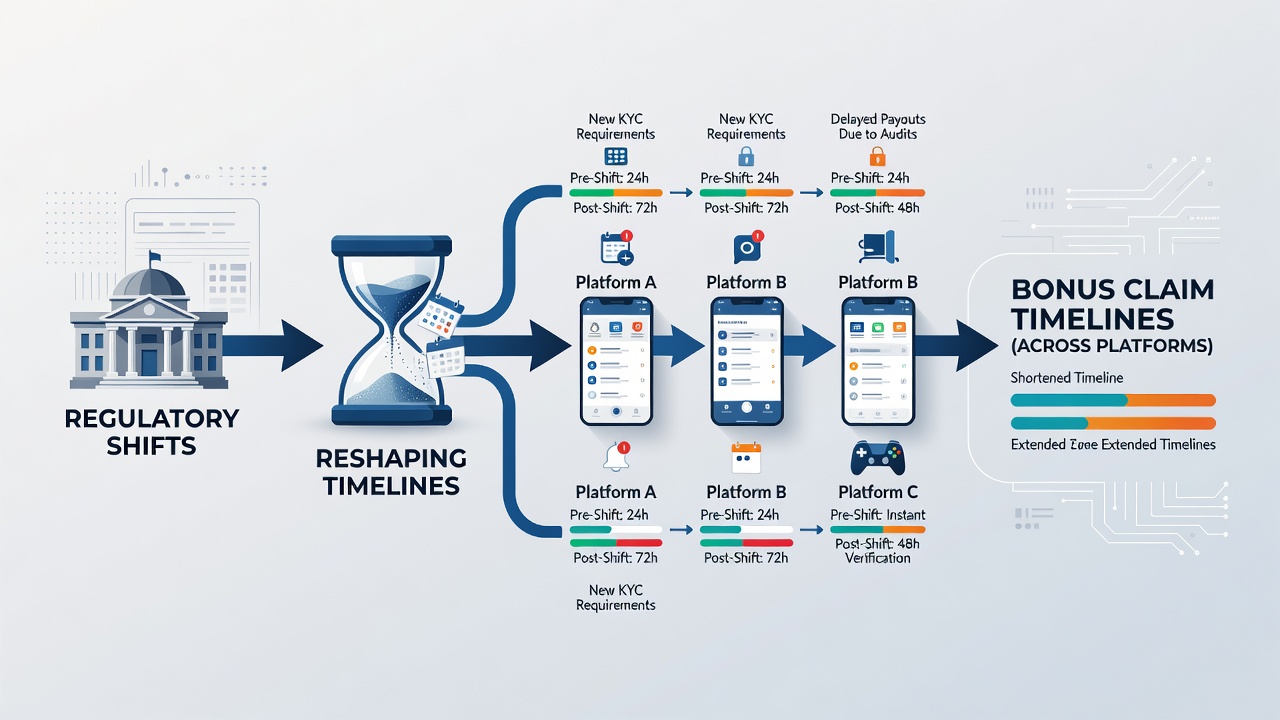
Platforms have responded to these shifts by redesigning their backend processes, which include automated alerts and segmented user dashboards that display jurisdiction-specific timelines. Evidence suggests that many services now incorporate buffer periods around regulatory deadlines to account for processing delays during high-volume periods. Those who've examined compliance reports find that operators in multiple markets have extended average claim durations by several days to meet new documentation standards introduced in 2025.
What's notable is how these changes intersect with technical infrastructure, since platforms must update application programming interfaces to flag eligibility based on real-time regulatory status. One case involved a major rewards network that synchronized its systems ahead of anticipated policy refinements, allowing seamless transitions when new rules took hold. Data indicates such proactive measures reduce instances of rejected claims stemming from mismatched timelines.
Effects Observed in July 2026 and Ongoing Trends
By July 2026, several platforms had completed phased rollouts of updated claim protocols following directives from oversight entities in the United States and select European markets. Figures from compliance audits reveal that average processing intervals lengthened in jurisdictions emphasizing pre-claim identity checks, whereas other areas saw shortened windows once standardized digital verification became mandatory. Researchers at institutions tracking online service operations have documented how these adjustments influenced user retention metrics, with platforms adapting notification systems to maintain engagement levels.
But here's the thing: the interplay between local rules and platform capabilities means that timelines continue to evolve as new interpretations emerge from regulatory reviews. Studies conducted by trade associations highlight instances where operators consolidated bonus structures to simplify adherence, thereby reducing the administrative load associated with varying deadlines. This consolidation often results in uniform global policies that exceed the strictest regional requirements.
Broader Implications for Users and Operators
Users encounter these modifications through revised terms displayed during account interactions, and platforms provide detailed explanations to clarify altered activation sequences. Evidence from sector analyses shows that educational resources integrated into apps have helped mitigate confusion arising from timeline changes. Operators, meanwhile, invest in analytics to predict how regulatory updates will affect claim volumes and adjust server capacities accordingly.
Academic papers on regulatory impacts in digital economies point to patterns where early adopters of compliance technology gain operational efficiencies, allowing them to maintain consistent bonus offerings despite shifting constraints. Those monitoring the field report that collaboration between platforms and regulators has accelerated the development of shared standards for timeline disclosures, which in turn supports smoother cross-platform operations.
Conclusion
Regulatory shifts continue to prompt platforms to refine bonus claim timelines, with outcomes shaped by coordinated efforts across jurisdictions and technical adaptations. Information compiled through ongoing oversight and research underscores the dynamic nature of these adjustments, as operators align practices with evolving requirements while preserving service continuity for users worldwide.