The Influence of Licensing Bodies on Glossary Definitions and Bonus Criteria in Multiple Jurisdictions
Jordan Schmid · Jul 25, 2026
The Influence of Licensing Bodies on Glossary Definitions and Bonus Criteria in Multiple Jurisdictions
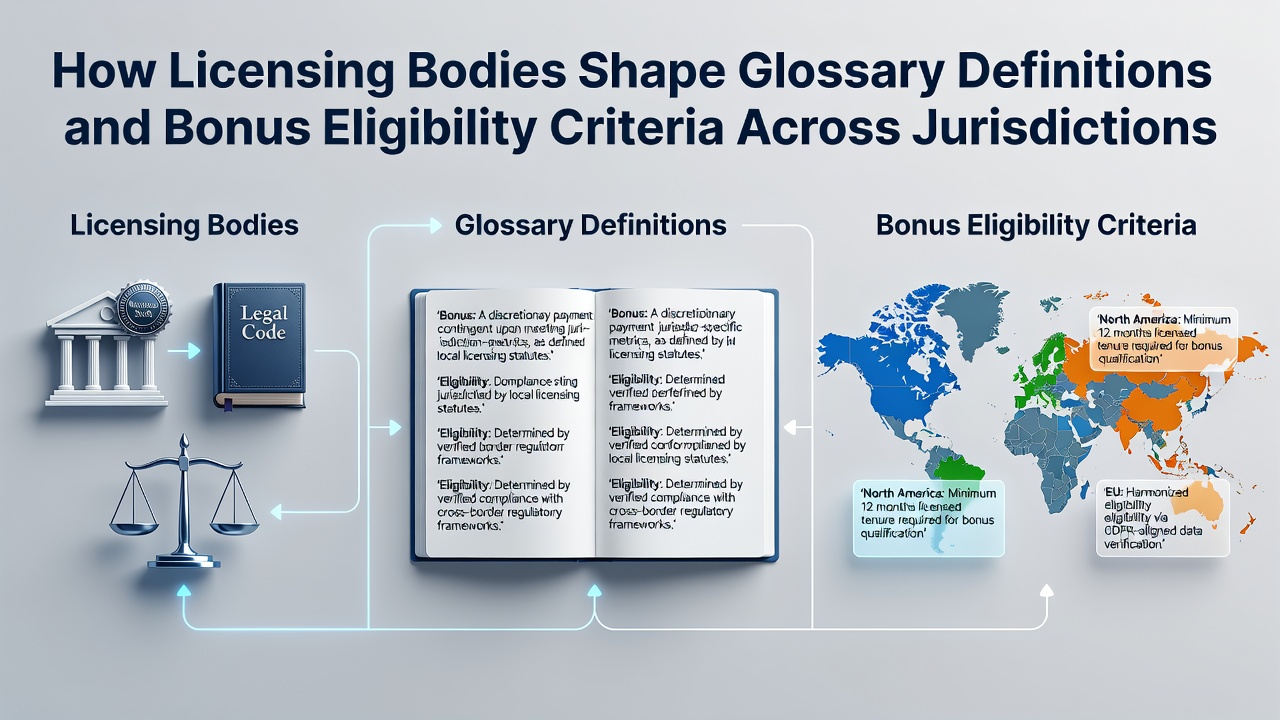
Licensing bodies across different regions establish the precise meanings behind common industry terms while they also determine who qualifies for promotional offers, and these standards shift based on local statutes as well as enforcement priorities. Data from regulatory filings shows that definitions for words like "bonus" or "eligible player" vary sharply between North American and European frameworks, which creates compliance challenges for operators who work across borders. In July 2026 several Canadian provinces plan to align their updated glossaries with new federal guidelines, a move that will affect how platforms calculate player rewards.
Regional Variations in Terminology Standards
Authorities in the United States such as the Nevada Gaming Control Board maintain detailed glossaries that separate "restricted bonuses" from "cashable credits," and these distinctions directly control which players receive funds after meeting playthrough rules. Observers note that operators must rewrite their user agreements whenever a licensing body revises even one definition, since failure to match the official wording can trigger audits or fines. Research from the University of Nevada Reno gaming studies program indicates that such updates occur on average once every eighteen months in active markets.
Canadian regulators including the Alcohol and Gaming Commission of Ontario take a different approach by embedding bonus eligibility criteria inside licensing conditions rather than separate glossaries, which means a single license amendment can redefine "new player" status overnight. This structure forces platforms to monitor provincial notices closely while they adjust marketing language to stay compliant. Figures from industry reports reveal that operators who failed to update terms after the 2024 Ontario revisions faced temporary suspension of promotional activities in that province.
Impact on Bonus Eligibility Rules
European licensing frameworks, particularly those managed by the Malta Gaming Authority, tie bonus qualification to residency verification processes that reference specific glossary entries for "resident player," and these rules differ from those enforced by Australian state regulators. The result is a patchwork where one jurisdiction may allow bonus stacking across multiple accounts while another prohibits it outright based on its own definition of "single user." Data released by the Australian Communications and Media Authority shows that eligibility disputes dropped by 22 percent after clearer glossary language was introduced in 2025.
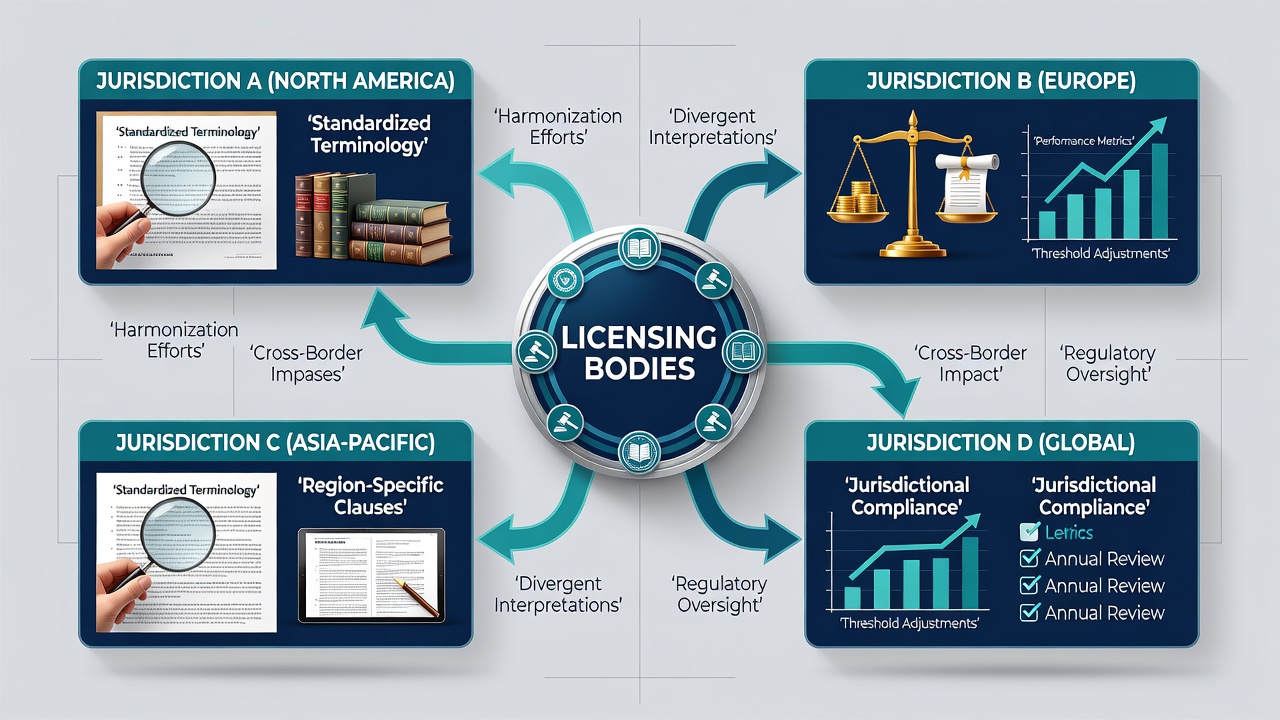
Operators often discover that a term accepted in one license area becomes restricted elsewhere, which pushes legal teams to maintain region-specific glossaries rather than a single global version. Take the case where experts at a major European operator found their "welcome bonus" wording violated Canadian rules because the local authority defined the phrase as requiring a minimum deposit amount not mentioned in their original text. Such mismatches lead to delayed launches and additional legal review costs that accumulate across multiple jurisdictions.
Enforcement Mechanisms and Compliance Updates
Licensing bodies enforce these standards through regular audits and mandatory reporting, while they also require operators to submit revised terms whenever glossary changes occur. In practice this means that a single update from one authority can ripple through an operator's entire bonus structure if the platform serves players from several regions at once. Studies conducted by the International Center for Gaming Regulation highlight that companies with centralized compliance teams reduce revision errors by nearly 40 percent compared to those handling each jurisdiction separately.
Yet the process remains dynamic because new technologies such as cryptocurrency deposits prompt fresh definitions that licensing bodies must incorporate into existing frameworks. Regulators in multiple areas now work to clarify whether digital asset bonuses fall under the same eligibility criteria as traditional currency offers, and these clarifications typically appear in updated glossaries released on set schedules. Platforms that track these developments through official bulletins avoid the penalties that follow mismatched language in player agreements.
Conclusion
Licensing bodies continue to refine glossary definitions and bonus eligibility criteria as markets expand and new payment methods emerge, which creates an ongoing need for operators to monitor changes across every jurisdiction they serve. The patterns observed in current regulatory activity suggest that alignment efforts between regions will increase, yet local differences will persist because each authority maintains its own statutory priorities. Those who track official sources and adjust documentation promptly maintain smoother operations while they meet the distinct requirements of each licensing environment.