Incentive Program Designs and Their Alignment with Compliance Requirements in Virtual Gaming Markets
Tina Becker · Jun 2, 2026
Incentive Program Designs and Their Alignment with Compliance Requirements in Virtual Gaming Markets
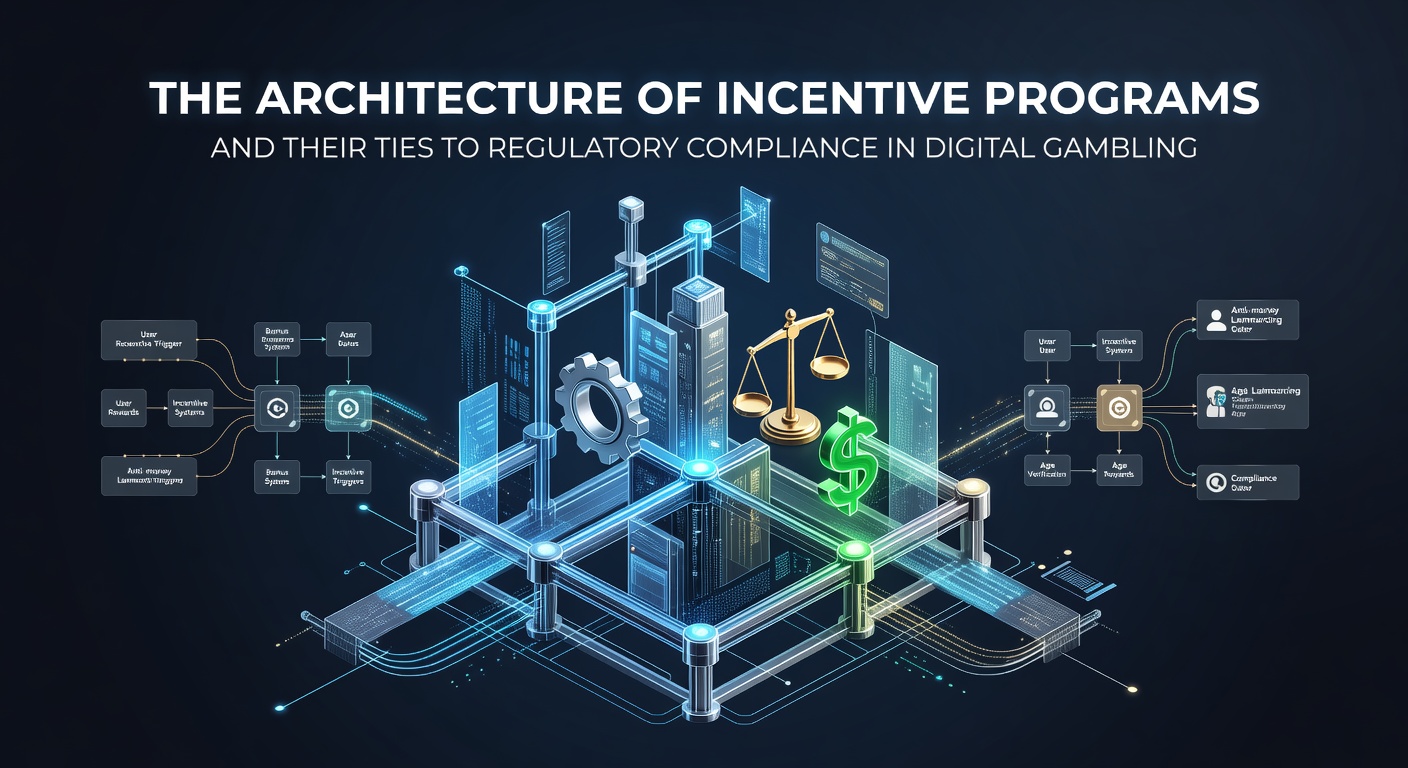
Digital gambling platforms construct incentive programs through layered systems that combine welcome bonuses, loyalty points, cashback mechanisms, and tiered VIP rewards, all while embedding checks that satisfy oversight bodies across multiple jurisdictions. These architectures rely on modular software components where each reward tier connects directly to player verification databases, transaction monitoring tools, and responsible gaming flags that trigger automatic adjustments when activity patterns exceed predefined thresholds.
Operators segment incentives by player behavior metrics such as deposit frequency, wager volume, and session duration, then route those segments through rule engines that cross-reference against regulatory databases before any reward activates. This setup allows real-time compliance verification, particularly when bonuses involve conditional wagering requirements that must align with anti-money laundering protocols and consumer protection statutes.
Core Architectural Elements
Modern incentive frameworks rest on three primary pillars: eligibility engines that validate player accounts against age and location restrictions, reward calculation modules that apply dynamic multipliers based on game type and risk level, and distribution ledgers that record every credit or debit for audit trails. Data flows between these pillars through APIs that log each interaction with timestamps and geolocation markers, creating immutable records that regulators can query during compliance reviews.
Point accumulation systems often integrate with game outcome generators so that rewards scale proportionally to house edge contributions, while separate subroutines monitor for patterns that might indicate problem gambling and automatically reduce or suspend further incentives. Such integration ensures operators meet standards set by bodies like the New Jersey Division of Gaming Enforcement, which requires transparent documentation of all promotional mechanics.
Regulatory Integration Points
Compliance ties emerge at multiple junctions within incentive architectures. Every bonus offer must carry clear disclosure language that appears before activation, and backend systems enforce this by blocking reward claims until players acknowledge terms through recorded confirmations. Wagering requirements attach to specific game categories with contribution percentages that regulators review to prevent misleading promotions, a practice tracked closely by authorities including Australia's state-level gaming commissions.
Anti-money laundering modules scan incoming deposits that fund bonus claims, applying velocity checks and source-of-funds verification before releasing any promotional value. When June 2026 updates to cross-border data sharing agreements take effect, these modules will incorporate additional fields for international player screening, expanding the data points operators must collect and retain for incentive eligibility.

Regional Framework Variations
Jurisdictions apply distinct constraints on incentive structures. European markets often cap bonus values relative to deposits and mandate time limits on playthrough periods, whereas North American frameworks emphasize geofencing and identity verification layers that prevent cross-state reward leakage. Platforms serving multiple regions maintain separate rule sets within a unified database, switching configurations based on detected player location and licensing profile.
Research from the University of Nevada's gaming studies unit indicates that operators who embed compliance logic at the design stage reduce audit remediation costs by measurable margins compared with those who retrofit systems after launch. These findings align with reports from the European Gaming and Betting Association, which document how standardized API endpoints for regulatory reporting streamline incentive tracking across borders.
Adaptation in Practice
Operators update incentive engines quarterly to reflect rule changes, testing each modification in sandbox environments that simulate regulatory queries before deployment. One documented case involved a multi-state platform adjusting its loyalty point expiration rules after new consumer protection guidelines required clearer communication of forfeiture conditions, resulting in revised notification sequences that trigger both in-app messages and email confirmations.
Technical teams maintain version-controlled repositories of incentive logic, allowing rapid rollback if monitoring reveals deviations from approved parameters. This approach supports ongoing alignment with evolving standards while preserving the operational flow of reward delivery to verified players.
Conclusion
The architecture of incentive programs in digital gambling operates through tightly coupled systems where reward mechanics and compliance controls share the same data pipelines and decision trees. As regulatory expectations continue to specify granular reporting and real-time safeguards, platform designs increasingly treat compliance not as an overlay but as an intrinsic structural element that shapes how every bonus, point, and tier functions from initial player registration onward.