Decoding Seasonal Fluctuations in Reward Structures Across International Digital Betting Markets
Jordan Schmid · May 21, 2026
Decoding Seasonal Fluctuations in Reward Structures Across International Digital Betting Markets
Digital betting markets operate under reward structures that shift noticeably throughout the year, and observers note how operators adjust bonuses, payout percentages, and promotional offers based on predictable patterns tied to holidays, sports calendars, and regional economic cycles. Researchers have tracked these changes across multiple jurisdictions, finding that platforms often increase deposit match offers during slower periods while tightening certain house edges when player volume spikes around major events. Data from industry reports indicate that such adjustments help platforms maintain consistent engagement levels even as external factors influence user behavior.
Understanding Reward Structures in Digital Betting
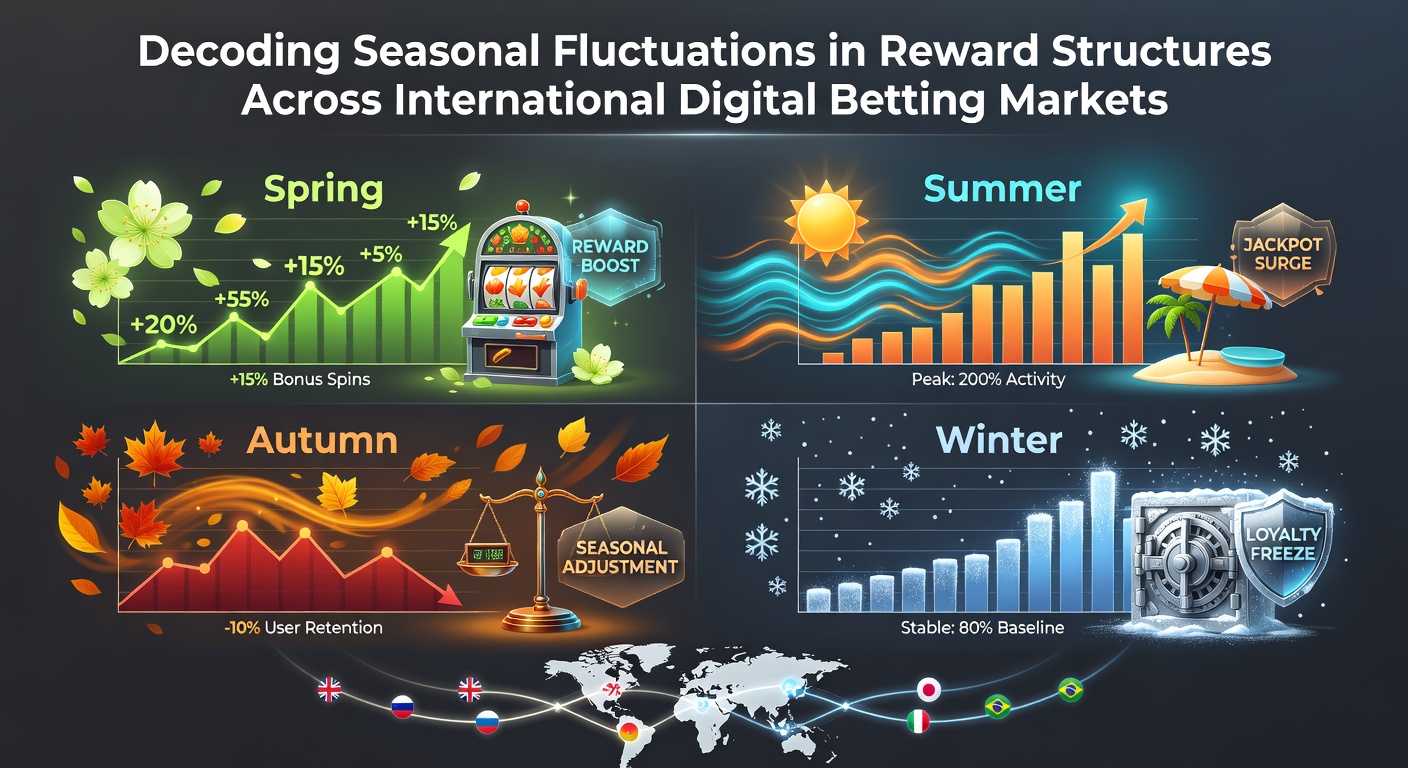
Reward structures encompass the various incentives that platforms provide to attract and retain users, including welcome bonuses, loyalty points, cashback programs, and adjusted odds on specific markets. Experts observe that these elements rarely remain static because operators respond to seasonal demand signals, and studies show platforms recalibrate them to balance acquisition costs against long-term player retention. Those who analyze transaction data across platforms report that reward values frequently peak in January and September when user activity tends to dip after holiday spending or summer travel.
Platforms also modify reward structures according to regional regulatory requirements, and figures from government agencies reveal that operators in regulated markets must disclose changes to bonus terms more transparently than in earlier years. This transparency allows analysts to compare how seasonal adjustments differ between jurisdictions such as those overseen by the Nevada Gaming Control Board and similar bodies in Australia or parts of Europe.
Key Seasonal Drivers Across Regions
Sports calendars drive significant fluctuations in reward offerings, particularly around major football tournaments or basketball seasons, where operators expand free bet promotions to capture increased interest. Observers note that during May 2026, as European club competitions approach their conclusion and North American leagues enter playoffs, several platforms have already begun previewing enhanced accumulator bonuses and risk-free bet offers. Research indicates these targeted rewards align with historical spikes in betting volume that occur when multiple high-profile events overlap.
Holiday periods produce another layer of variation, and data shows deposit bonuses often rise sharply in December while withdrawal limits receive temporary relaxation in some markets. Yet the pattern reverses in summer months when many users travel, prompting operators to introduce mobile-specific rewards and shorter expiry windows on promotional credits. Analysts examining records from multiple countries find that platforms in warmer climates adjust differently than those in regions experiencing winter slowdowns.
Regional Differences in Adjustment Patterns
North American markets tend to emphasize sports-related rewards during spring and fall, whereas Asian platforms frequently highlight casino game bonuses during festival seasons such as Lunar New Year. Australian operators, guided by local regulatory frameworks, demonstrate steadier adjustments year-round because of stricter advertising rules that limit aggressive seasonal campaigns. European platforms outside the UK show similar caution, with many choosing to extend loyalty program benefits rather than launch short-term deposit matches.
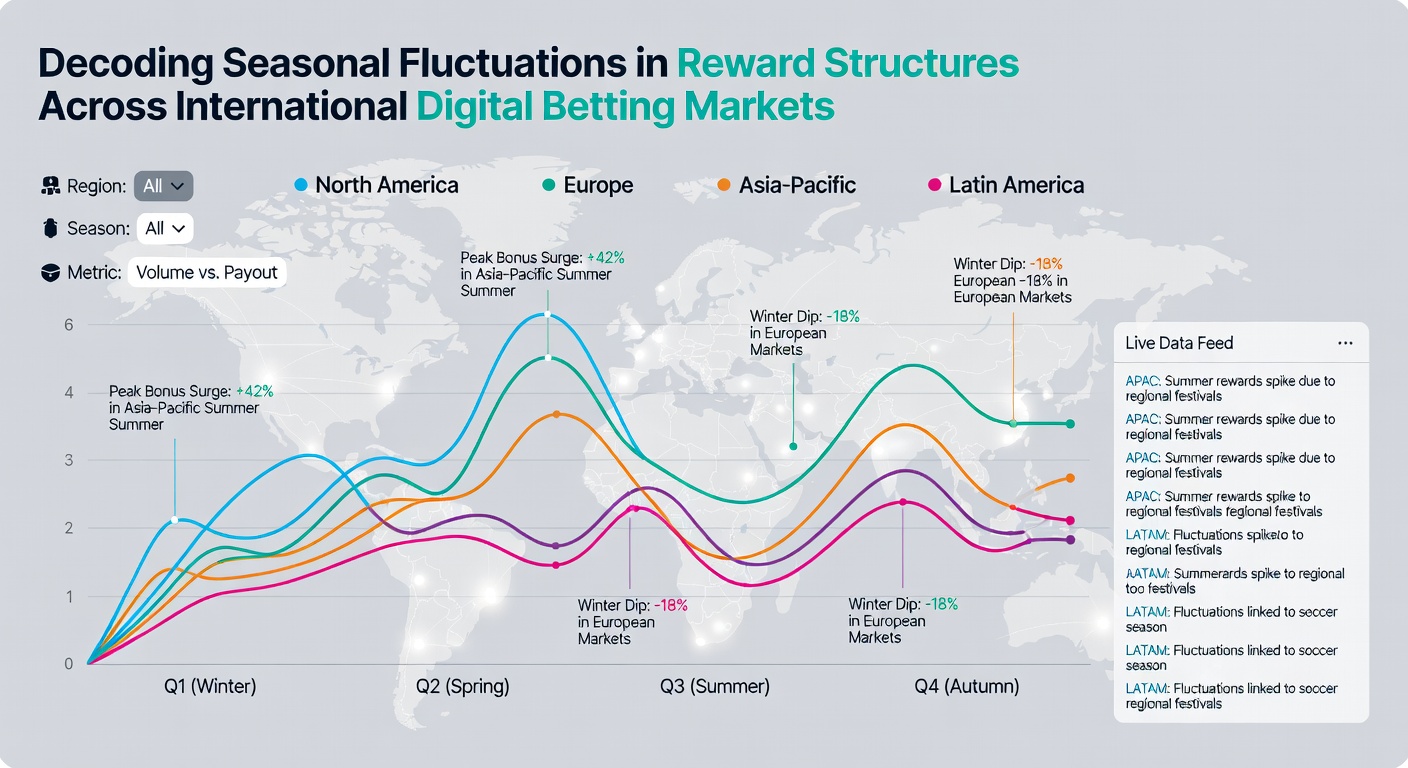
According to findings published by academic researchers studying behavioral economics in gambling, these regional differences stem from both cultural attitudes toward risk and the maturity of local regulatory environments. Platforms that operate across borders must therefore maintain separate reward calendars for each market they serve, and compliance teams coordinate these changes months in advance to avoid conflicts with licensing conditions.
Data Patterns and Market Responses
Transaction logs analyzed by industry consultants reveal clear correlations between seasonal reward enhancements and subsequent changes in average bet sizes. During periods when operators increase cashback percentages, users often place more frequent smaller wagers rather than larger single bets, a pattern documented in reports covering both regulated and emerging markets. This behavioral shift helps platforms manage liability while still delivering perceived value to players.
What's interesting is how operators use predictive modeling to anticipate these shifts, and several major platforms now integrate weather data and public holiday calendars into their reward algorithms. Studies conducted by research institutions in Canada and Singapore demonstrate that such forecasting reduces the lag time between seasonal triggers and reward deployment from weeks to just a few days. The result appears in steadier revenue streams even when raw user numbers fluctuate.
Regulatory bodies continue to monitor these practices, and recent guidance from agencies in Australia and several EU member states emphasizes the need for clear communication when reward terms change. Operators that fail to provide adequate notice face increased scrutiny, which in turn encourages more conservative seasonal adjustments in those jurisdictions. Those who study compliance records note that transparent operators tend to sustain higher long-term player loyalty compared with platforms that alter terms abruptly.
Conclusion
Seasonal fluctuations in digital betting reward structures reflect a complex interaction between user behavior, regulatory oversight, and commercial strategy across international markets. Data from multiple sources show that platforms continue to refine their approaches, and analysts expect further integration of real-time data sources to improve timing precision. Observers tracking developments through May 2026 and beyond report that operators increasingly treat seasonal reward planning as a core operational function rather than an occasional marketing tactic. This evolution suggests reward structures will become even more responsive to predictable cycles while remaining subject to ongoing regulatory refinement in key regions worldwide.