Decoding Loyalty Structures: Their Influence on Retention Patterns Within Regulated Betting Environments
Finley Schulz · Jun 13, 2026
Decoding Loyalty Structures: Their Influence on Retention Patterns Within Regulated Betting Environments
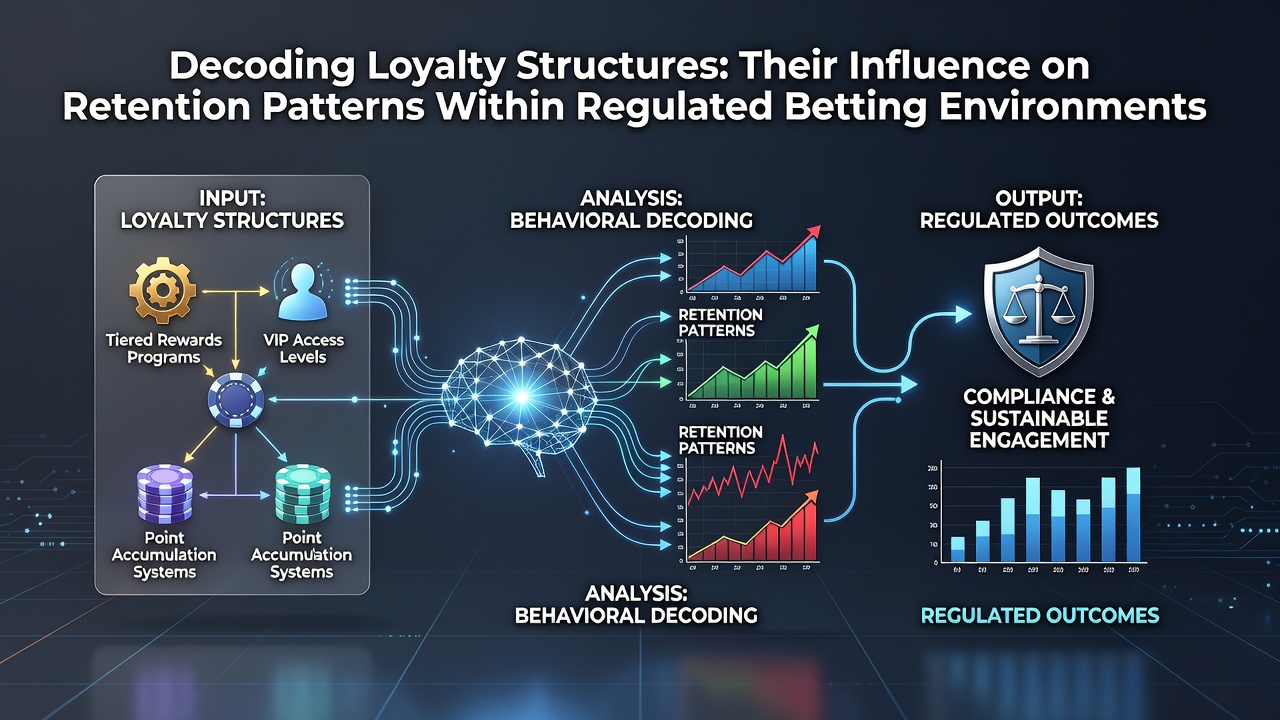
Regulated betting environments rely on structured loyalty programs to shape how participants interact with platforms over time, and these systems directly affect retention by tying rewards to consistent activity levels. Operators design points systems where bets accumulate credits that unlock tiers, and each tier brings escalating benefits such as cashback percentages, exclusive event access, and personalized promotions that encourage ongoing engagement rather than one-time visits.
Data from regulatory filings across multiple jurisdictions shows that participants enrolled in tiered loyalty programs demonstrate lower churn rates compared to non-enrolled users, with the difference often appearing in monthly active user metrics tracked by state agencies. Retention patterns emerge because rewards create switching costs; once a user reaches a mid-level tier, the accumulated benefits make migration to competing platforms less appealing since those perks reset at the starting level elsewhere.
How Loyalty Structures Operate in Practice
Loyalty frameworks in betting typically begin with a basic entry point where every wager converts into points at a fixed ratio, then progress through silver, gold, and platinum categories that multiply earning rates and add perks like faster withdrawal processing or dedicated support lines. These mechanics operate under strict oversight from bodies such as the Nevada Gaming Control Board, which requires clear disclosure of point valuation and expiration rules to prevent misleading claims.
What's interesting is how seasonal events integrate into these structures; during major sports tournaments operators often double point accrual for specific markets, and this temporary boost correlates with temporary spikes in session frequency that sometimes carry over into sustained habits once the event concludes. Observers note that retention improves most noticeably when programs combine monetary rewards with status symbols, such as VIP lounge invitations, because status recognition satisfies psychological drivers beyond pure financial gain.
Retention Metrics and Observed Patterns
Research indicates that retention curves flatten when users cross into higher loyalty tiers, since the marginal value of continued play rises with each additional benefit unlocked. Figures from industry analyses reveal that platforms maintaining transparent tier progression see participants extend their average relationship length by several months compared to those with opaque or static reward systems.
Take one operator in a North American market that introduced a points-based streak bonus requiring consecutive daily logins; data showed a measurable drop in dormant accounts during the first six weeks after launch, though the effect diminished once users completed the initial reward cycle. Patterns also differ by demographic, with younger cohorts responding more strongly to experiential rewards like tournament entries while older groups show stronger attachment to cash-equivalent redemptions.

But here's the thing: regulatory caps on reward values in certain jurisdictions limit how aggressively operators can scale benefits, which in turn caps the retention lift that loyalty structures can deliver. As of June 2026, updated compliance requirements in several Canadian provinces have forced operators to publish exact conversion rates between points and redeemable value, and early reports suggest this transparency has slightly increased trust metrics without materially changing retention numbers.
Regulatory Context and Geographic Variations
European markets apply different constraints, where consumer protection directives require operators to separate loyalty mechanics from responsible gambling tools, meaning reward notifications cannot appear alongside deposit prompts. This separation influences retention by reducing impulse reinforcement, yet longitudinal studies from academic sources still record net positive effects on session regularity when programs emphasize skill-based rewards over pure chance outcomes.
A report published by the Nevada Gaming Control Board highlights that retention improvements tied to loyalty programs remain consistent across both online and retail channels, although online platforms achieve faster tier progression due to higher transaction volumes. Meanwhile, Australian state regulators track similar data and note that loyalty-linked retention holds steadier during economic downturns because users perceive greater value in maximizing existing point balances.
Another link appears in research from the University of Nevada, Las Vegas International Gaming Institute, which examined how loyalty program design affects lifetime value calculations; the findings indicate that programs with clear milestone celebrations retain participants longer than those relying solely on automated point accumulation.
Conclusion
Loyalty structures in regulated betting environments function as retention levers by aligning platform incentives with user activity patterns, and the measurable outcomes depend on transparency requirements, reward mix, and jurisdictional limits. Retention data consistently shows tier progression correlating with extended engagement periods, while regulatory disclosures shape how those structures can be presented without crossing into prohibited territory. As markets evolve through 2026 and beyond, operators continue adjusting these systems to meet both compliance standards and observed behavioral responses across diverse participant groups.