Decoding Bonus Structures Through Award-Winning Platform Histories and Player Retention Data
Finley Schulz · Jun 9, 2026
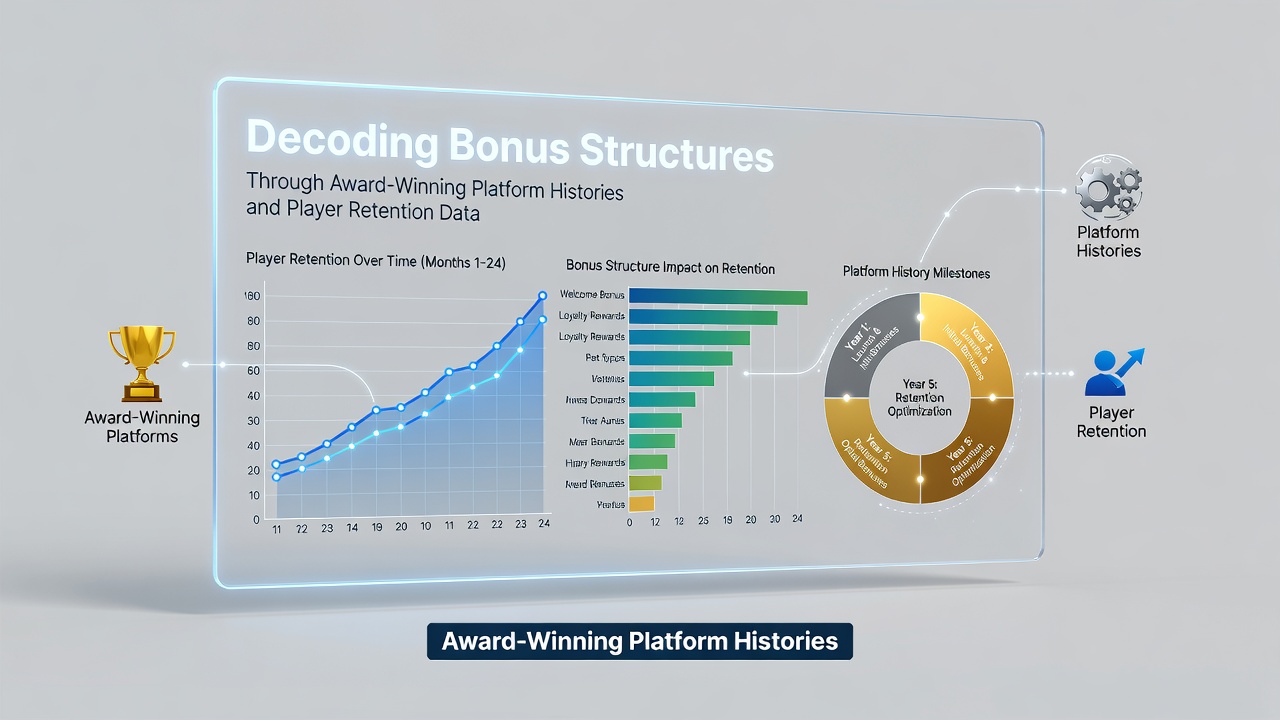
Decoding Bonus Structures Through Award-Winning Platform Histories and Player Retention Data
Platform operators in the online gaming sector have long relied on structured bonus systems to shape user engagement, and decoding those systems requires close examination of award histories alongside retention metrics that span multiple years. Award-winning platforms often reveal patterns in how initial deposit matches, free spin allocations, and loyalty tiers have evolved, while retention data supplies the quantitative backbone that shows which combinations sustain activity over time.
Historical Patterns in Recognized Platforms
Award records from industry events held between 2020 and 2025 illustrate consistent shifts in bonus design, moving away from flat percentage matches toward tiered offers that scale with player volume and tenure. Observers note that platforms receiving top honors for innovation frequently introduced progressive bonus ladders, where early rewards unlock additional layers only after sustained deposits and play volume. These changes appear in archived announcements and post-award reports that document the exact terms introduced during those recognition cycles.
Data compiled across several jurisdictions shows that platforms honored for user experience in 2023 and 2024 adjusted bonus wagering requirements downward on average, linking the adjustment to longer session durations recorded in subsequent quarters. Researchers tracking these platforms found that the combination of reduced playthrough thresholds with time-limited reload bonuses correlated with measurable increases in repeat login frequency during the first six months after implementation.
Retention Metrics as Analytical Tools
Retention data sets, drawn from anonymized user cohorts, allow analysts to isolate the contribution of specific bonus elements to continued activity. Metrics such as day-7 return rates, average revenue per user over 90 days, and churn probability after bonus expiration provide concrete indicators. When cross-referenced with platform histories, these figures reveal which bonus formats maintain engagement beyond the initial promotional period and which ones produce short-term spikes followed by rapid drop-off.
Studies conducted by academic groups in North America and Australia have applied survival analysis techniques to large retention data sets, demonstrating that bonus structures incorporating both immediate value and deferred rewards tend to produce flatter retention curves. The same research indicates that platforms recognized for responsible gaming practices in 2025 implemented bonus caps tied to account age, a modification that coincided with improved long-term retention figures in publicly released quarterly summaries.

June 2026 Data Releases and Platform Updates
Regulatory filings submitted in June 2026 from multiple regions included updated retention statistics that operators linked to revisions in bonus architecture. These filings documented how platforms adjusted welcome packages to include smaller initial bonuses paired with extended reward calendars, resulting in higher month-three activity levels compared with earlier structures. Industry reports published around the same period highlighted that award-winning platforms continued to refine these calendars based on segmented cohort performance rather than aggregate averages.
One notable pattern emerging from the June 2026 disclosures involves the integration of personalized bonus triggers derived from historical play data. Platforms that received recognition for technological advancement earlier in the decade now deploy algorithms that surface reload offers only when retention models predict elevated churn risk. Retention figures attached to these targeted interventions show measurable stabilization in weekly active user counts across the reporting period.
Linking Award Histories with Quantitative Retention Evidence
Cross-analysis of award documentation and retention statistics requires careful alignment of timelines. When a platform receives recognition for a particular bonus feature, subsequent retention reports often contain cohort comparisons that isolate the impact of that feature. Analysts have observed that platforms honored for player protection measures in 2024 later published data showing reduced bonus-related disputes alongside steady retention, suggesting the two outcomes can coexist under well-calibrated structures.
According to figures released by the New Jersey Division of Gaming Enforcement, platforms operating under that jurisdiction reported average retention improvements of 4.2 percent in cohorts exposed to revised bonus schedules during 2025. A separate American Gaming Association report covering the same timeframe documented similar directional trends among operators recognized at major industry gatherings. These sources supply the raw numbers that allow researchers to test hypotheses about which bonus components drive sustained participation.
Additional context comes from longitudinal studies conducted by research institutions in Victoria, Australia, where retention curves for platforms with layered bonus systems were tracked over 18-month windows. The resulting data sets indicate that bonus structures emphasizing milestone rewards rather than front-loaded value maintained higher user presence at the 12-month mark. Award histories for those same platforms frequently cite innovations in milestone tracking as a factor in their recognition.
Conclusion
Decoding bonus structures through the dual lens of award histories and retention data produces a clearer picture of how specific design choices influence long-term platform performance. The June 2026 reporting cycle added further granularity to existing data sets, confirming that incremental adjustments to bonus terms continue to shape retention outcomes across recognized operators. Continued examination of these intersecting records offers the factual foundation for understanding bonus effectiveness without reliance on isolated snapshots.