Behavioral Transformations in Online Gaming Communities After Cryptocurrency Adoption
Zoe Flores · Jul 18, 2026

Behavioral Transformations in Online Gaming Communities After Cryptocurrency Adoption
Digital platforms began integrating cryptocurrency payment options in the early 2020s, and data from multiple regions shows measurable changes in how participants interact with these systems. Transaction records and user analytics from 2023 through July 2026 reveal patterns that differ from traditional fiat-based methods, including altered session durations and deposit frequencies.
Transaction Speed and Frequency Patterns
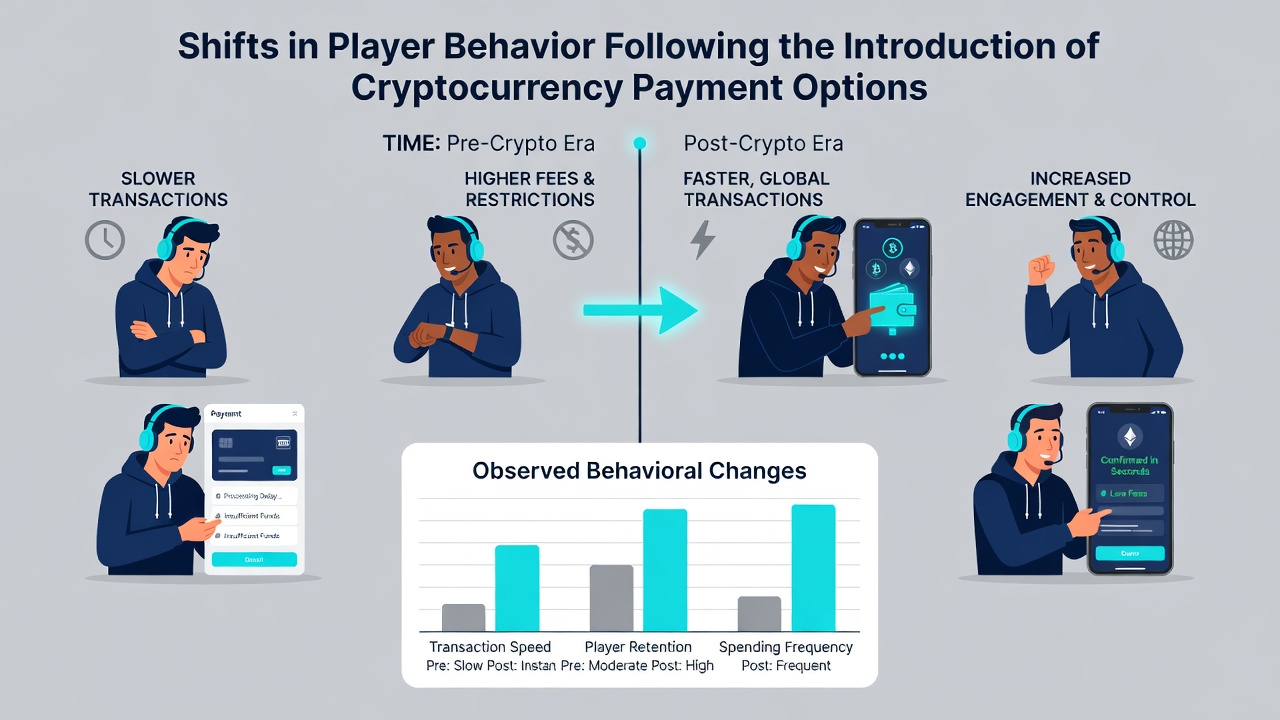
Studies conducted by academic researchers at institutions across North America indicate that average deposit processing times dropped from several hours to under ten minutes once blockchain confirmations replaced bank transfers. This reduction correlates with a rise in the number of smaller, more frequent transactions per account, according to aggregated platform data analyzed by industry observers in Canada. Participants appear to adjust their activity levels based on the immediacy of fund availability, which allows for quicker re-entry into ongoing sessions without waiting periods.
Demographic Shifts in User Bases
Reports from the Monetary Authority of Singapore highlight that platforms adopting cryptocurrency options saw increased participation from users aged 18 to 34 between 2024 and 2026. These figures show a higher proportion of new accounts originating from regions with limited banking infrastructure, where digital wallets provide an alternative entry point. Meanwhile, data collected in Australia by the Australian Competition and Consumer Commission suggests older user segments maintained steady activity levels but shifted toward larger, less frequent deposits once crypto options became available.
What's interesting is how anonymity features factor into these trends. Blockchain ledgers allow participants to conduct transfers without revealing full banking details, and regulatory filings from various jurisdictions note corresponding changes in account verification behaviors. Some platforms report that users complete fewer identity checks during initial setup when crypto is the primary method, although overall compliance rates remain consistent across payment types.
Session Duration and Spending Distribution
Platform analytics compiled through mid-2026 demonstrate that average session lengths increased by roughly 15 percent on sites with native crypto support compared to those relying solely on credit cards. Researchers attribute this partly to reduced friction during funding stages, which keeps participants engaged longer without interruption. Distribution of spending also changed, with evidence pointing to more even allocation across multiple smaller bets rather than concentrated large wagers.
One study from a European research consortium examined transaction logs and found that volatility in cryptocurrency values prompted some users to time their deposits around market fluctuations. This behavior led to clustered activity periods during price stability windows, creating observable peaks in platform traffic that differ from the more uniform patterns associated with fiat currencies.
Regional Variations in Adoption Rates
Figures released by the European Central Bank in 2025 compared adoption rates across member states and revealed faster uptake in countries with higher digital asset familiarity. In contrast, regions with stricter capital controls showed slower integration, though cross-border transfers via cryptocurrency increased among international participants. Canadian regulatory summaries from the same period indicate similar geographic differences, with urban centers leading rural areas in transaction volume growth.
But here's the thing: security perceptions play a documented role. Surveys distributed by academic groups in 2026 found that users who experienced successful crypto transfers reported higher confidence in platform security overall, even when other payment methods remained available. This confidence translated into broader exploration of platform features beyond basic deposits and withdrawals.
Long-Term Retention Metrics
Retention data tracked from 2024 into July 2026 shows that accounts using cryptocurrency for at least 40 percent of transactions exhibited longer active lifespans than those using only traditional methods. Industry reports link this to the ease of micro-transactions and the ability to manage funds across multiple platforms without repeated banking verifications. Observers note that these patterns hold across different game types, suggesting the payment method influences behavior independently of specific content preferences.
Evidence from university-led analyses further indicates that educational resources about wallet management and transaction fees have influenced how participants approach budgeting within these environments. Those who accessed such materials tended to maintain more consistent activity levels over extended periods, according to anonymized user interaction logs.
Conclusion
Available data through July 2026 documents clear behavioral adjustments following cryptocurrency payment integration, ranging from altered deposit rhythms to shifts in demographic engagement and session characteristics. These changes appear tied to technical attributes like speed and reduced intermediary involvement, with variations depending on regional infrastructure and user familiarity. Continued monitoring by regulatory bodies and research institutions will provide additional clarity on how these patterns evolve as adoption expands.