Award Recognition Illuminates Transformations in Bonus Mechanisms and Compliance Adaptations Across Selected Markets
Jordan Schmid · Aug 15, 2026
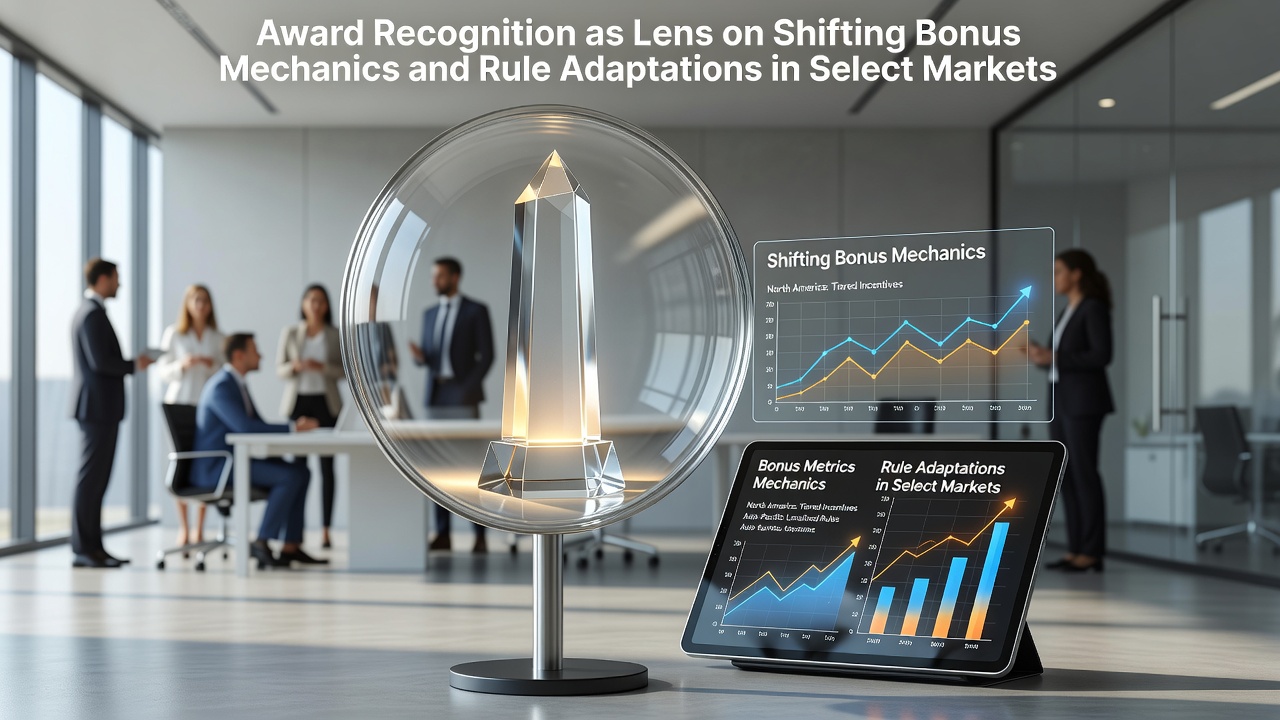
Award Recognition Illuminates Transformations in Bonus Mechanisms and Compliance Adaptations Across Selected Markets
Corporate award programs have emerged as key indicators for tracking how organizations modify bonus systems while responding to evolving regulatory frameworks in markets such as the United States, Germany, and Singapore; these recognitions often spotlight companies that integrate new performance metrics with updated compliance standards, and data from labor departments shows increased focus on variable pay structures tied to measurable outcomes.
Tracing the Connection Between Awards and Bonus Adjustments
Observers note that award ceremonies in 2025 and into August 2026 frequently feature categories dedicated to innovation in compensation design, where winners demonstrate adaptations like shifting from fixed annual bonuses to quarterly payouts linked with project milestones; researchers at institutions tracking workforce trends have documented this pattern through analysis of award submissions, revealing that firms in the technology sector lead in adopting these changes because of competitive labor conditions and shifting tax regulations.
One study released by the US Bureau of Labor Statistics highlights how bonus allocations in select industries grew by 12 percent year-over-year as companies aligned payouts with productivity indicators, while regulatory updates in the European Union prompted similar recalibrations to meet transparency requirements on variable compensation; award juries evaluate entries based on documented evidence of these adaptations, including audit trails and employee feedback metrics that confirm rule adherence.
Regulatory Shifts Driving Mechanical Changes in Key Regions
Markets including California and the state of New York introduced disclosure mandates in early 2026 that require detailed reporting of bonus calculation formulas, leading award-recognized companies to publish internal guidelines that tie incentives directly to compliance scores; in parallel, German labor authorities updated guidelines on profit-sharing arrangements, prompting organizations to revise eligibility criteria and incorporate ESG performance factors into bonus formulas.
According to reports from the European Commission on employment practices, firms adapting to these rules often receive industry accolades for maintaining equitable distribution across employee tiers, and the process involves recalibrating thresholds so that maximum payouts remain within defined legal limits; this approach has appeared in multiple award-winning case examples from the financial services sector where bonus pools now factor in risk-adjusted returns rather than raw revenue figures alone.

Case Examples of Adaptation in Practice
Take one multinational corporation operating across Singapore and the United States that earned recognition at a regional business excellence event in mid-2026 for overhauling its bonus mechanics to comply with new data privacy rules affecting performance tracking; the company integrated automated compliance checks into its payout system, resulting in bonus calculations that automatically adjust for regulatory thresholds without manual intervention.
Another example involves a manufacturing group in the Midwest that adapted its incentive programs after state-level wage and hour revisions, replacing discretionary bonuses with structured gain-sharing models; award panels cited the firm's transparent documentation and measurable reductions in dispute rates as evidence of successful rule integration, and similar patterns appear in submissions from Canadian firms responding to provincial employment standards updates.
Measuring Impact Through Recognized Outcomes
Figures from academic analyses at universities studying compensation trends indicate that award-winning organizations report higher retention rates in roles where bonuses form a significant portion of total pay; these outcomes stem from clearer rule definitions that reduce ambiguity around eligibility and calculation methods, and industry associations have begun incorporating such metrics into their own evaluation criteria for future award cycles.
What's significant is how these recognitions create benchmarks that other entities reference when revising their own systems, especially as markets prepare for additional regulatory layers scheduled for late 2026; observers track submissions to identify emerging practices such as hybrid bonus models that blend individual and team performance while embedding mandatory training completion as a prerequisite for eligibility.
Conclusion
Award recognition continues to serve as a practical lens for understanding how bonus mechanics evolve alongside regulatory adaptations in targeted markets, with documented cases showing concrete adjustments in calculation methods, eligibility criteria, and reporting protocols; ongoing data collection from labor agencies and research bodies supports the observation that recognized organizations maintain structured approaches to compliance that integrate directly into compensation frameworks.