Analyzing Disbursement Timing Patterns and Retention Correlations Amid Regulatory Shifts
Zoe Flores · Aug 6, 2026
Analyzing Disbursement Timing Patterns and Retention Correlations Amid Regulatory Shifts
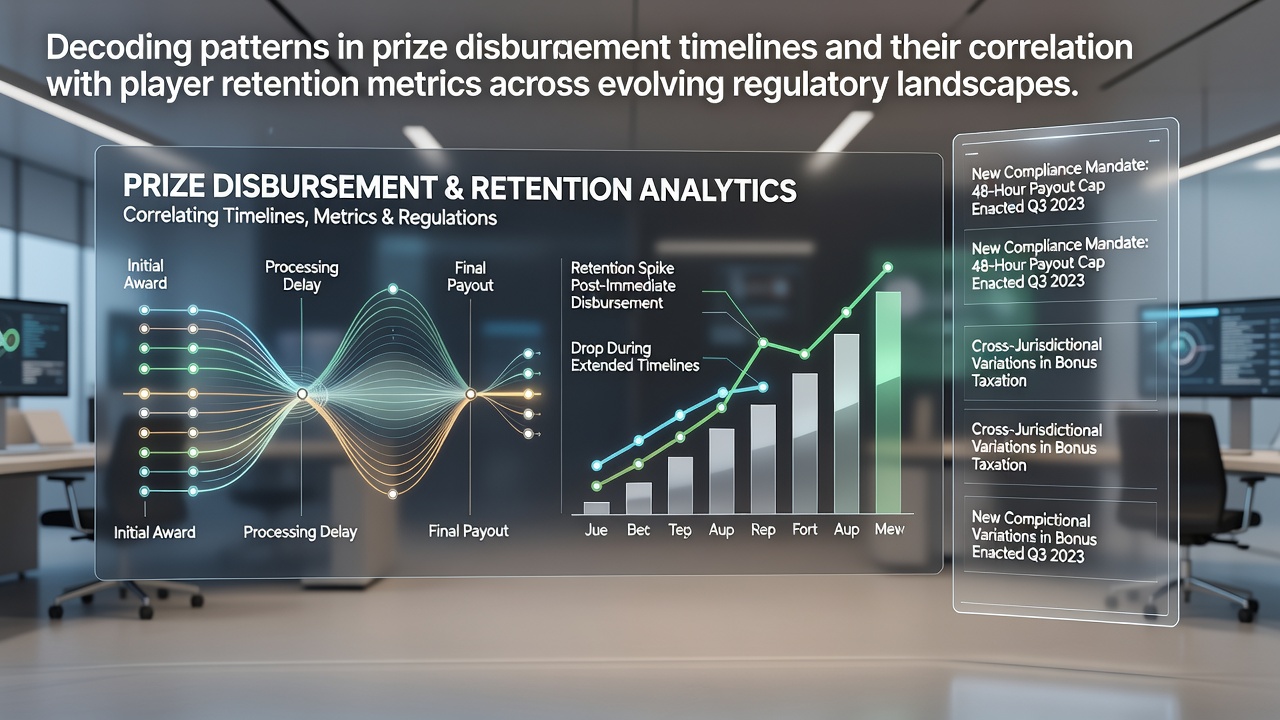
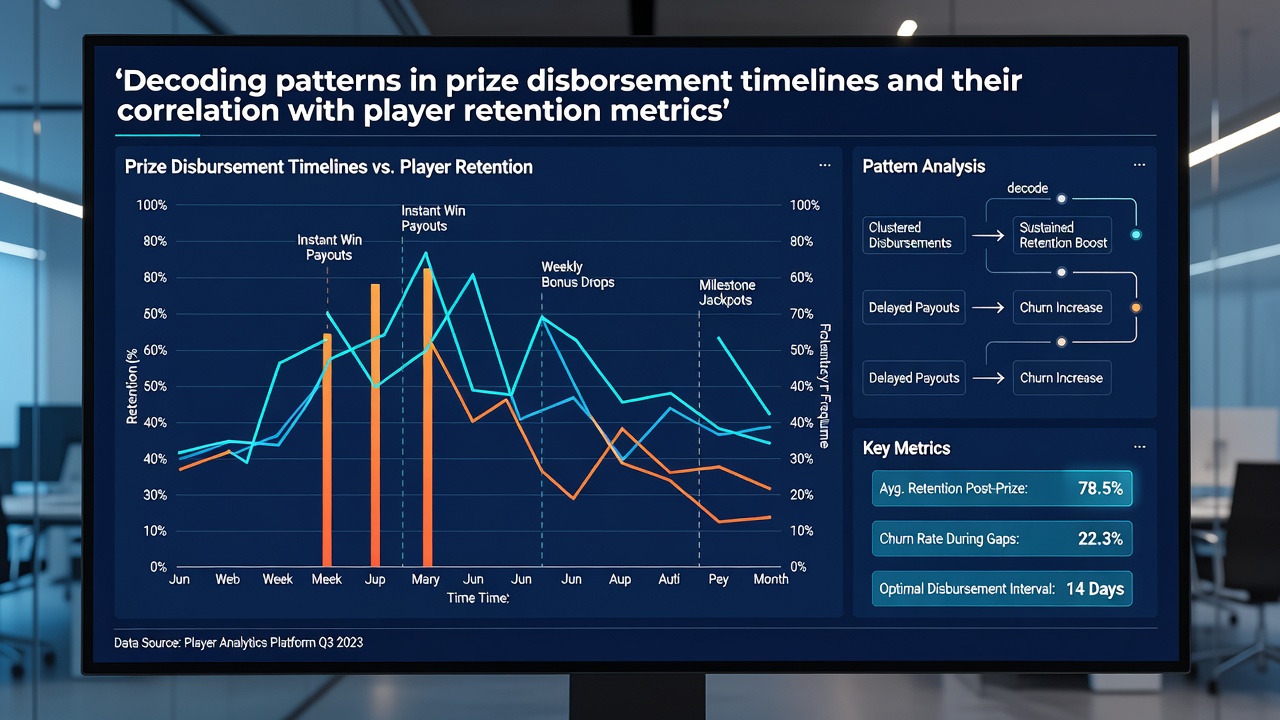
Patterns in prize disbursement timelines reveal measurable connections to player retention metrics, particularly as regulatory frameworks continue to evolve across multiple jurisdictions. Data from various gaming markets shows that payout processing speeds often align with retention rates in ways that reflect both operational efficiencies and compliance requirements. Observers note that faster disbursement windows, typically under 24 hours, tend to coincide with higher repeat engagement figures, while delays extending beyond 72 hours correlate with measurable drops in activity levels.
Regulatory Changes Shaping Disbursement Practices
Regulatory landscapes have introduced new standards for prize handling in several regions, with updates scheduled for implementation phases around August 2026 in select European markets. These adjustments emphasize verification protocols that extend processing intervals yet aim to maintain transparency for operators and participants alike. According to reports from the European Gaming and Betting Association, such measures require documented audit trails that influence how quickly funds reach recipients without compromising oversight.
Canadian provincial regulators have similarly adjusted guidelines for electronic transfers, mandating additional security layers that stretch average timelines from immediate to 48-hour windows in many cases. Research indicates these shifts produce retention impacts that vary by player segment, with high-frequency participants showing greater sensitivity to extended waits compared to occasional users. Figures from industry tracking services reveal retention declines of up to 15 percent when disbursement exceeds three business days consistently.
Correlation Data Across Markets
Studies examining multiple jurisdictions demonstrate that disbursement speed functions as one variable among several affecting retention. One analysis covering North American and Australian operators found that platforms maintaining sub-48-hour payouts sustained monthly active user rates 12 to 18 percent above those with longer cycles. The correlation strengthens in markets where players have ready access to alternative platforms, allowing direct comparison of service speeds.
What's interesting is how these patterns interact with broader compliance environments. Australian regulatory bodies, including the Australian Communications and Media Authority, have documented cases where streamlined digital verification reduced processing times while meeting new consumer protection rules introduced in prior years. Retention metrics in those settings showed steadier player cohorts, particularly when operators communicated expected timelines clearly at the point of claim.
Operational Factors and Player Behavior
Operators responding to evolving rules often implement tiered disbursement systems that prioritize smaller prizes for rapid release while routing larger amounts through extended verification. Data shows this approach preserves retention among lower-stakes participants, who represent the majority of active users in most markets. Larger prize recipients, however, demonstrate different patterns, with retention holding when operators provide status updates throughout the process.
Researchers at academic institutions studying behavioral responses have tracked how transparency during delays mitigates negative effects on return rates. In one dataset covering regulated markets in 2025, clear communication reduced churn by approximately 8 percent even when actual processing extended past standard windows. Such findings highlight that timeline length alone does not determine outcomes, but combines with information flow and regulatory alignment.
Future Developments and Monitoring
Upcoming regulatory phases in August 2026 will likely introduce further standardization of payout reporting across participating jurisdictions, creating more comparable datasets for analysis. Industry groups and research bodies continue to monitor these changes to identify consistent correlations between processing efficiency and sustained engagement. Patterns observed so far suggest that retention responds most strongly when disbursement systems adapt to both regulatory demands and player expectations simultaneously.
Conclusion
Patterns linking prize disbursement timelines to retention metrics continue to emerge as regulatory environments shift. Evidence from multiple regions shows that processing speed, combined with verification requirements and communication practices, shapes how players interact with platforms over time. Continued data collection through 2026 and beyond will provide clearer insights into these relationships across evolving compliance structures.